
Class 1 Medical
Ensuring that you are Medically fit to Fly
If you’re training to become a commercial pilot, one of the first steps in your journey is obtaining a Class 1 Medical Certificate. You will need to have this in place at least three months before your course start date.
This is a crucial requirement to ensure that you meet the necessary medical standards to operate an aircraft safely. At Leading Edge Aviation, we train pilots for both UK CAA and EASA licences, which means you may need to obtain one or both certifications.
Please note that if you are doing a dual licence, you will need to get your EASA class 1 medical assigned to the Danish authority.

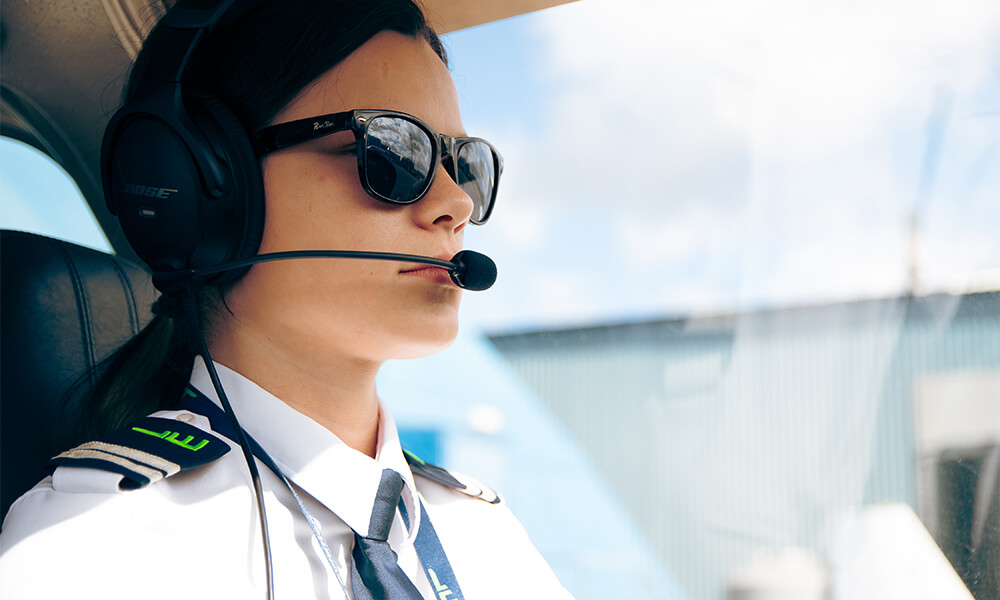
How to Prepare for your Class 1 Medical Examination
Booking your Class 1 Medical
To book your medical, you’ll need to find an approved Aeromedical Centre (AeMC). In the UK, Heathrow Medical Services and other CAA-approved centres can conduct the examination.
Before your appointment, you’ll need to:
- Register with the relevant authority’s online portal (UK CAA or EASA)
- Pay the CAA/EASA fee at least 10 days before your exam
- Complete a medical history form
- Prepare any relevant medical documents, such as optician prescriptions if you wear glasses or contact lenses
Pre-Examination Preparation
Before heading to your appointment, make sure to stay hydrated (you’ll need to do a urine test), avoid caffeine, and don’t eat or drink anything (except water) for at least 20 minutes before your exam.

What to Expect on the day of your Medical
During the exam, an aviation medical examiner will conduct several tests to assess your overall health and fitness to fly:
- Medical History Review – You’ll go over any past illnesses, surgeries, or medical conditions.
- Vision & Colour Perception Tests – You’ll need to meet minimum eyesight standards, including colour vision.
- Hearing Test – Audiometry will check your ability to hear different frequencies.
- Electrocardiogram (ECG) – This will assess your heart function.
- Lung Function Test – Measures your breathing and lung capacity.
- Finger-Prick Blood Test – Includes haemoglobin and cholesterol testing.
- Urine Test – Checks kidney function and for potential medical concerns.
- General Physical Examination – Covers height, weight, blood pressure, and general fitness.
- Drug & Alcohol Screening – A saliva drug test and breath alcohol test may be conducted.
- Psychological Evaluation – A comprehensive mental health assessment.
If everything is in order, you’ll receive your Class 1 Medical Certificate on the same day. If further tests are needed, the medical examiner will advise you on the next steps.

Why choosefor your pilot training?



FAQ’s
Do I need a Class 1 Medical in place before I sit my Leading Edge skills assessment?
You do not need to have a Class 1 Medical in place before you sit your skills assessment, however do keep in mind your intended course start date. If your intended course start date falls within three months of your skills assessment, we would recommend that you have your Class 1 Medical in place beforehand to avoid disappointment.
What is a Class 1 Medical Certificate?
A Class 1 Medical Certificate is a comprehensive health assessment required for individuals pursuing a career as a commercial pilot. It ensures that the pilot meets the physical and mental standards necessary for safe flight operations.
When do I need to have my Class 1 Medical in place by?
At Leading Edge Aviation, we now ask that you have your Class 1 Medical in place at least three months prior to your course start date. Failure to have this in place beforehand, could mean that your course start date gets pushed back.
Who Requires a Class 1 Medical Certificate?
Students and licenced commercial pilots are required to obtain and maintain a Class 1 Medical Certificate. This includes individuals pursuing an Airline Transport Pilot Licence (ATPL).
Where Can I Get a Class 1 Medical Examination?
The medical examination must be conducted by a Civil Aviation Authority (CAA) approved Aviation Medical Examiner (AME). AMEs are specialists in aviation medicine and are authorised to assess pilots.
What Does the Examination Include?
The medical examination comprises a thorough assessment of your general health and may take up to 4 hours at an Aeromedical Centre (AeMC). It is a comprehensive evaluation to ensure you can perform your duties as a commercial pilot. The examination will include the following:
- Medical history
- Eyesight
- Physical examination
- Electrocardiogram (ECG)
- Lung function test
- Haemoglobin blood test
- Urine test
Are There Specific Eyesight Requirements?
Yes, specific visual acuity standards must be met both with and without correction (glasses or contact lenses). The requirements ensure pilots have optimal vision for the safe operation of an aircraft.
How Often Do I Need to Renew the Class 1 Medical Certificate?
The validity and frequency of renewal depend on your age and health. Between the ages of 18 and 60, Class 1 Medical is valid for 1 year. After that, until the mandatory retirement age of 65, the medical must be renewed every 6 months.
Can I Still Get a Class 1 Medical Certificate with Corrective Lenses?
Individuals requiring corrective lenses to meet the vision standards can still obtain a Class 1 Medical Certificate. The key is meeting the prescribed visual acuity levels.
What Happens if I Fail the Medical Examination?
If you do not meet the standards in any part of the examination, the Aviation Medical Examiner (AME) will offer detailed feedback. In certain cases, you might be eligible for a complimentary resit, accompanied by recommendations for improvement.
The possibility of retaking the medical examination will depend on the specific reason for the initial failure. Unfortunately, certain conditions may render an individual ineligible to obtain a Class 1 Medical. Conversely, less severe issues can often be addressed through medication and collaboration with specialised medical professionals. Upon receiving approval from these specialists, you may proceed to retake the medical examination to achieve a successful outcome.
If you have concerns about a particular medical condition, it is imperative to seek guidance from an AME. Only an Aviation Medical Examiner, being a specialist in aeronautical medicine, can provide the most current and relevant advice. It’s crucial to refrain from seeking advice from individuals lacking qualifications in this specialised field.
Is Mental Health Assessed During the Examination?
Yes, mental health is a crucial aspect of the examination. The AME will assess your mental fitness to ensure you can handle the stress and responsibilities of being a commercial pilot. If you’ve had mental health issues in the past, this will not automatically preclude you from an aviation career. At the medical, you may be referred for specialist evaluation.
Can I Appeal if My Class 1 Medical Certificate is Denied?
Yes, you have the right to appeal a denial. Consult with the Aviation Medical Examiner or relevant aviation authority for guidance on the appeal process.
How to apply for a Class 1 Medical Certificate?
Firstly, you need to create a “Customer Portal” account on the CAA website. Through your account, you’ll be able to access all services through the CAA (Medical records, flight crew exams, etc).
For you to register, you’ll need the following information to hand;
Formal photo ID:
- Passport
- Driving Licence
- Proof of address
- Driving licence
- Bank statement
- Identity card
- Utility bill
- Council tax bill
Once your Customer Portal account has been made, you’ll need to create an account on the CAA medical service system called Cellma. You’ll be applying for all medical services and application forms, through Cellma.
You will need to complete the medical application form through Cellma and complete the payment before your AME will be able to undertake your medical examination. This will include the following:
- Facts about your medical history.
- Whether you have had a medical examination before, by whom, and the result.
- Whether you have ever been assessed as unfit or had a medical certificate suspended or revoked.
Now, once all the paperwork has been completed, you can apply for your initial Class 1 medical appointment at an approved Aeromedical Centre (AeMC), applying directly through their website. There are three AeMC’s who can apply for your Class 1 medical: Birmingham AeMC, London AeMC, and Heathrow Medical Services LLP. The examination will typically take around half a day.
When applying for your Initial Class 1 medical, we could recommend you mention any personal or family medical history at the time of booking your medical. You will then be advised whether you will need to bring along any additional information/reports to your examination.
Where do I need to get my EASA Class 1 Medical Assigned to?
You will need to get your EASA class 1 medical assigned to the Danish authority as this is who we work with. Please DO NOT get this assigned to Spain as you will need to go through the class 1 medical process again and you will not be reimbursed for the additional costs.