Understanding the Key Differences Between a Private Pilot Licence and a Commercial Pilot Licence
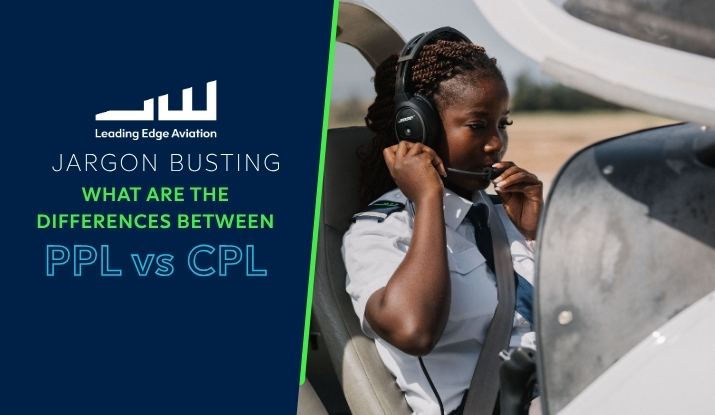
New to the aviation industry and trying to understand the different licences and qualifications? In this blog, we break down the key differences between a Private Pilot Licence (PPL) and a Commercial Pilot Licence (CPL), including the training involved, costs, and the overall requirements of each in the UK.
A Private Pilot Licence is the most common starting point for new pilots. It allows you to fly small aircraft for personal or recreational purposes, but not for paid work.
What Can You Do With a PPL?
With a Private Pilot Licence, you can:
- Fly friends and family as passengers
- Rent aircraft for leisure trips
- Build flying experience and hours
PPL Training Requirements, Commitment and Cost:
- Minimum 45 flight hours (UK requirement)
- A Class 2 aviation medical
- Ground school and written exams
- Typical completion within 6–12 months
- The average cost for a PPL in the UK is £12,000-£17,000
One of the most important differing factors between a PPL and CPL is that holding a PPL does not allow you to be paid for flying. Which is also reflected in the cost of obtaining a PPL. So, how does commercial flying differ?
Commercial Pilot Licence (CPL)
A Commercial Pilot Licence allows you to fly professionally and earn money as a pilot.
This licence is integral if you wish to become an airline pilot, required for careers such as corporate jet pilot, cargo pilot or flight instructor.
What Can You Do With a CPL?
- Work as a professional pilot
- Transport passengers or cargo
- Become a flight instructor (with additional training)
- Fly charter operations
This licence is designed for those pursuing a salary as a pilot and a full-time aviation career.
CPL Training Requirements, Commitment and Cost:
- Minimum 200 flight hours (UK requirement)
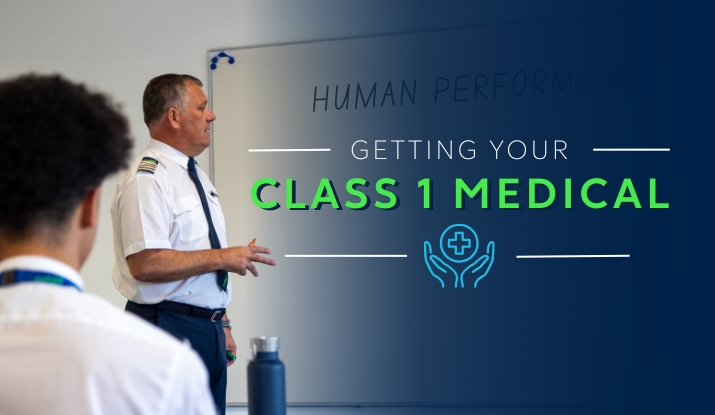
- A Class 1 aviation medical
- ATPL Ground school exams
- Typical completion 18+ training months
- The average cost for a CPL in the UK is completely dependent on the pathway chosen.
Now, you may assume that achieving a CPL is the final hurdle on the journey to an aviation career but in reality, it’s just one major milestone. While a CPL allows you to be paid to fly, most commercial aviation roles, especially at airlines, require further qualifications and experience.
These include an Instrument Rating (IR) which allows you to fly in poor visibility using only flight instruments, Multi-Engine Rating (MEP) which enables you to fly aircraft with more than one engine, as well as an Airline Pilot Standard Multi Crew Cooperation (APS MCC) which prepares you for working in a multi-crew cockpit environment.
Whether you’re aiming for weekend flying with a Private Pilot Licence UK or pursuing the structured pathway toward airline employment with a Commercial Pilot Licence UK, understanding the differences in training, costs, and career opportunities is essential.
The journey from PPL to CPL, and eventually to ATPL, is one of the most exciting pathways in aviation. With careful planning and research into commercial pilot licence training UK, training providers, and long-term career goals, you can choose the pathway that best supports your dreams in flight.